


“Inside Sustainable Leagues” is an editorial series exploring how some of the world’s leading football leagues are structuring sustainability through different models, initiatives and tools. The third chapter focuses on how these commitments are translated into initiatives, campaigns and moments of engagement.
If governance explains how sustainability becomes part of a league’s structure, and dedicated organisations – such as foundations – help sustain this commitment over time, what makes these efforts visible and tangible across the wider ecosystem? This third article shifts the focus to the elements that transform principles and strategies into concrete experiences: activations, campaigns and moments of engagement that bring sustainability into the sporting calendar, turning football’s communication power into a tool for participation and awareness. In recent years, more and more leagues have started using their events as platforms to showcase or accelerate their commitment.
These moments can extend existing programmes, but also act as testing grounds for new forms of engagement. Finals, tournaments and celebration events become opportunities to bring initiatives together, activate partnerships and connect different dimensions of sustainability, from social impact to reducing environmental footprint. Once again, there is no single model. These different expressions of commitment reflect the context in which each league operates: the role of its organisational structures, its relationship with clubs and partners, sporting culture and connections with local communities. Experiences that show how football is progressively creating new spaces for engagement around sustainability, following different but increasingly interconnected pathways.
Italy, Portugal, Usa: special events as sustainability laboratories
Three particularly interesting examples come from very different contexts: Portugal, Italy and the United States. Despite starting from different organisational and cultural perspectives, these cases show how sporting events can play different roles within leagues’ sustainability strategies. In Portugal, the Final Four of the Allianz Cup (the final stage of the league cup) offers an example of how a sporting event can become a direct extension of the work carried out by a charitable foundation. Fundação do Futebol – Liga Portugal plays a central role in developing activities around the event, integrating different dimensions of sustainability within the same framework. On one side, there is a focus on the environmental dimension, with the final recognised as an “eco-event” thanks to initiatives developed in collaboration with specialised partners, alongside educational and awareness activities.
On the other, the event hosts initiatives connected to social impact, from inclusive football to youth projects, as well as solidarity and charity activities. The distinctive element of the Portuguese model is therefore the foundation’s ability to use a key moment of the season as an operational platform, concentrating and making visible activities that are part of a broader sustainability journey. A different (but not entirely distant) approach can be seen in Italy through the “Road to Zero” project, developed around the Coppa Italia final. Here, sustainability enters the event through a collaboration between Lega Serie A, institutions and partners, with initiatives focused on reducing environmental impact, but also on social issues and inclusion – particularly around accessibility to the matchday experience for fans with disabilities.
One particularly significant aspect of the Italian experience is the monitoring process developed through the project’s annual report. Rather than focusing only on individual actions, “Road to Zero” represents an attempt to gradually build a methodology, creating continuity in impact measurement and strengthening an increasingly structured approach to sustainable events. In the United States, the MLS example highlights a dimension strongly connected to the idea of sporting events as complete experiences. The All-Star Game is not built only around the match itself, but around an entire week of activities involving local communities, young people, organisations and partners through a series of social and environmental initiatives – the so- called “All-Star Week Community Events”.
Over the years, these have included educational activities, inclusion programmes and participation opportunities for host cities. A distinctive feature is also the “travelling nature” of the event: each year it takes place in a different city, bringing not only visibility but also more lasting forms of impact, such as local facility improvements and youth programmes. In recent years, MLS has also expanded the collaborative dimension of All-Star Week, creating joint activities with other international football contexts (such as the partnership with the Premier League), further positioning the event as a platform for exchange as well as local engagement.
Bundesliga and Belgium: the weekend as an activation platform
In Germany and Belgium, one of the approaches to sustainability involves creating dedicated time windows where the entire league ecosystem is mobilised around a specific theme. These are not simply communication campaigns, but coordinated moments where leagues, clubs and partners move together in the same direction. In Germany, Deutsche Fußball Liga (DFL), together with the DFL Foundation and the 36 professional clubs, has promoted for example the “TOGETHER! Matchday”, an initiative involving both Bundesliga and 2. Bundesliga. The initiative takes place across an entirematchweek and connects the sporting calendar with wider social themes, such as the International Week Against Racism.
The format includes stadium messaging, shared visual activations, coordinated digital content and a series of local initiatives promoted by individual clubs but connected through a central framework. Workshops with young people, collaborations with NGOs and educational campaigns are all part of an approach that combines national coordination with local roots. The distinctive element is the ability to turn the matchday into an operational space, rather than just a symbolic one, where club participation becomes an essential part of the message. In Belgium, the Pro League follows a similar logic, although with a stronger environmental focus.
The “Voetbal voor de Toekomst” campaign transforms an entire weekend into a moment dedicated to the ecological transition of professional football. Clubs are involved in coordinated initiatives around sustainable mobility, resource management and impact reduction, with the declared objective of working towards shared long-term targets. Here too, the league’s role is to define the strategic framework and provide tools and partners, while clubs adapt activities to their own operational contexts, often with support from external experts and locally developed projects. Comparing the two cases reveals a common pathway: using the league weekend as a shared activation infrastructure, where sustainability simultaneously becomes part of sporting organisation, communication and relationships with communities.
Premier League: the matchday as a system of connection
In England, the use of matchdays as activation platforms reaches one of the most structured and continuous levels. The Premier League integrates a series of recurring campaigns throughout the season, transforming key moments in the calendar into opportunities to address specific social issues. Campaigns such as “No Room for Racism” and “Inside Matters” are not designed as isolated initiatives, but as recurring appointments that return consistently throughout the year. Their strength lies in repetition and in their ability to become part of the normal rhythm of the sporting season, embedded within the everyday football narrative. The approach is widespread and multi-layered. The league defines the framework of each campaign and provides shared tools, while clubs, community programmes and football clubs charities activate a network of initiatives involving schools, young people, local communities and territorial organisations.
The result is a system where central messages are adapted into multiple forms while maintaining a common direction. Alongside these recurring thematic campaigns, another layer of activation is represented by “More Than A Game”. In this case, it is not a campaign linked to a specific issue or moment in the calendar, but a broader and more transversal platform that collects and showcases the overall impact of the football ecosystem.
The goal is to highlight the work carried out across the system, from club initiatives to community programmes, helping build a continuous narrative around the league’s social contribution. In this sense, the Premier League has developed a pathway where sustainability and social impact become structural and recurring elements — both through specific campaigns and through more permanent storytelling tools. The matchday therefore becomes one of the channels through which a wider system takes shape, combining continuity, local reach and the ability to showcase the impact of the entire ecosystem.
Editorial series by Community Soccer Report, a platform that reports, analyses and activates
sustainability in Italian football.
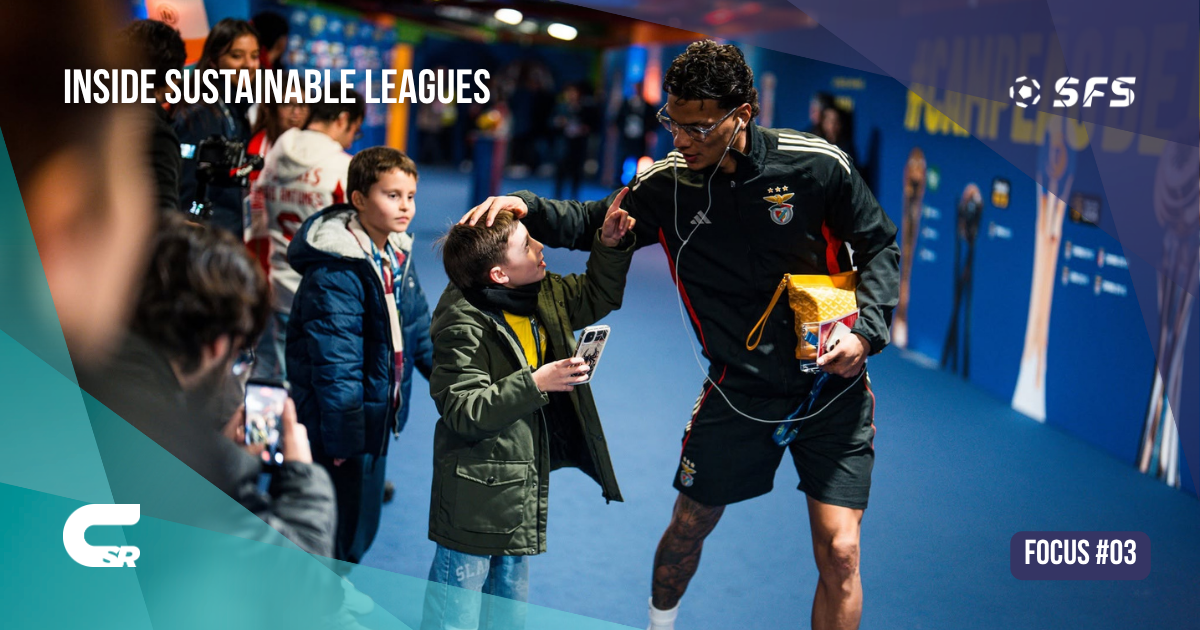
INSIDE SUSTAINABLE LEAGUES
“Inside Sustainable Leagues” is an editorial series exploring how some of the world’s leading football leagues are structuring sustainability through different models, initiatives and tools. The third chapter focuses on how these commitments are translated into initiatives, campaigns and moments of engagement. If governance explains how sustainability becomes part of a league’s structure, and dedicated organisations - such as foundations - help sustain this commitment over time, what makes these efforts visible and tangible across the wider ecosystem? This third article

Svexa: analysis, performance, and athletic growth
The Zone7 platform, developed by Svexa, enables the deep monitoring, understanding, and knowledge of the human body. Through the predictive analysis of biological signals, the system can anticipate critical issues and effectively mitigate injury risks for athletes. Guided by the strategic use of Artificial Intelligence, this perfect symbiosis between data and science proves fundamental in optimizing workloads and transforming athletic performance into actionable insight. Throughout 2025, the start-up exponentially accelerated its growth, consolidating its global market position. Driven by these results,

The US World Cup “paradox”: full stadiums, but the job boom fails to take off
International mega-sports events are almost always presented as powerful engines of economic and employment growth for host nations. However, reality can sometimes prove far more complex than predictive models. This is currently unfolding in the United States, where the highly anticipated World Cup is delivering a spectacular show on the pitch, but falling short of expectations within the labour market. The employment boom predicted for the leisure & hospitality sector (restaurants, bars, hotels, and entertainment) simply has not materialised. In fact, it

Evolution of Sustainability Policies and Strategies in FIFA
Editorial contribution by FDC Consulting Digital ESG FIFA governs football on a global scale. It coordinates over 200 national associations, organizes the most-watched tournaments on the planet, and generates economic flows that few other sectors can match. All of this brings with it an environmental and social responsibility of extraordinary proportions. How has it addressed this in recent years? With a strategy that has made significant strides on paper, but still displays relevant contradictions in practice. Understanding this evolution is useful
SFS 26 together with Social Media Soccer as main partner
Modern football is evolving at an unprecedented pace, driven by technological innovation and a deep understanding of digital transformation dynamics. In this landscape, Social Media Soccer stands out as a digital agency that places a passion for football and a profound knowledge of the digital world at its core, helping clubs, institutions, brands, and stakeholders communicate effectively, strategically, and, above all, authentically. Based on this shared vision, which brings together a love for the sport and the endless opportunities of digital
SFS 26 and GoProject announce main partnership
The future of the Football Industry is based on the ability to anticipate change, integrating technological solutions with creative visions capable of making its mark in a complex world like football. In this ever-evolving landscape, GoProject is among the leading players, and the SFS team is proud to announce it as its main partner. Digital company and innovative SME, the company responds to the most complex challenges by combining technologicalexpertise in software development and strategic and creative - expertise in
PLAYBACK: from aggregator to universally recognized operating system
From a solution aggregator to a true operating system for sports: this has been the rapid and accelerated evolution that has allowed PLAYBACK to establish and assert itself on a global scale, strategically strengthening its partnerships and international network. The value and scope of this innovation have been widely certified by the start-up's recent global successes. Following its significant participation in SFS ExtraTime 2025, its victories at the 2025 UK StartUp Awards and the PSG Labs Micro Lab Pitch Competition at
“Pick-and-Drop” sustainability: how the New UEFA Manual changes the rules of Sport Business
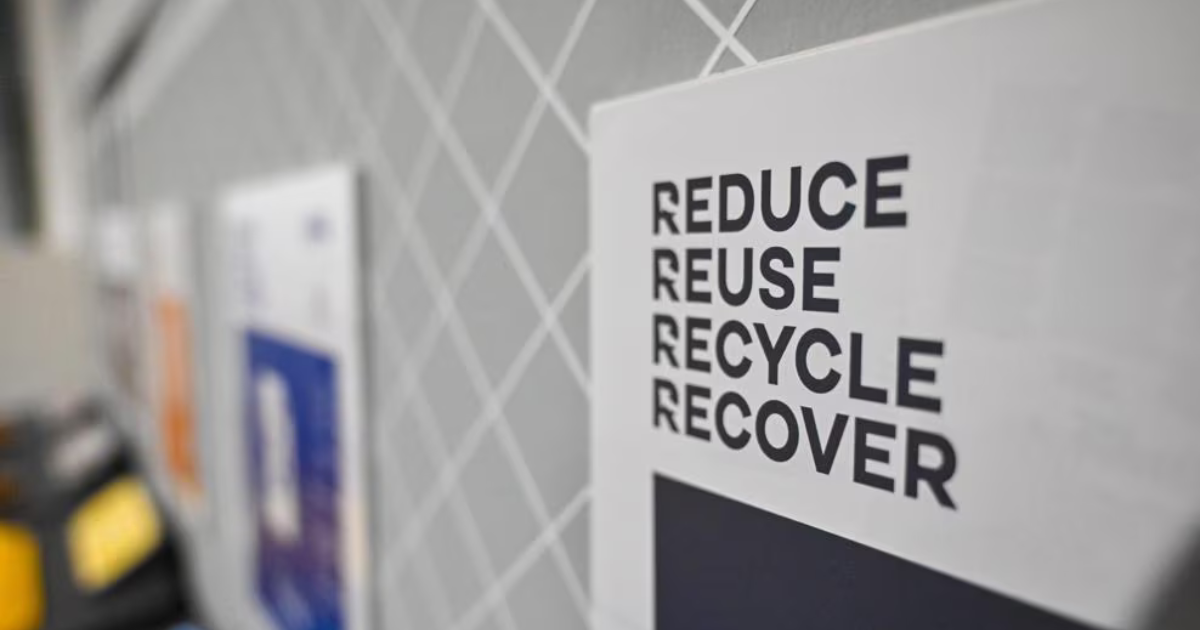
Sustainability has ceased to be a balance-sheet cost incurred solely for public relations purposes, transforming instead into an essential strategic lever to guarantee the sector's long-term economic, financial, and social longevity Sustainability in football has officially moved past the greenwashing phase and entered the realm of pure corporate strategy. With the sport business industry increasingly driven by highly stringent ESG criteria, UEFA and European Leagues have launched a tool designed to redefine event management for a movement that counts over 90
SFS 26: Be part of the game – Apply to volunteer now!
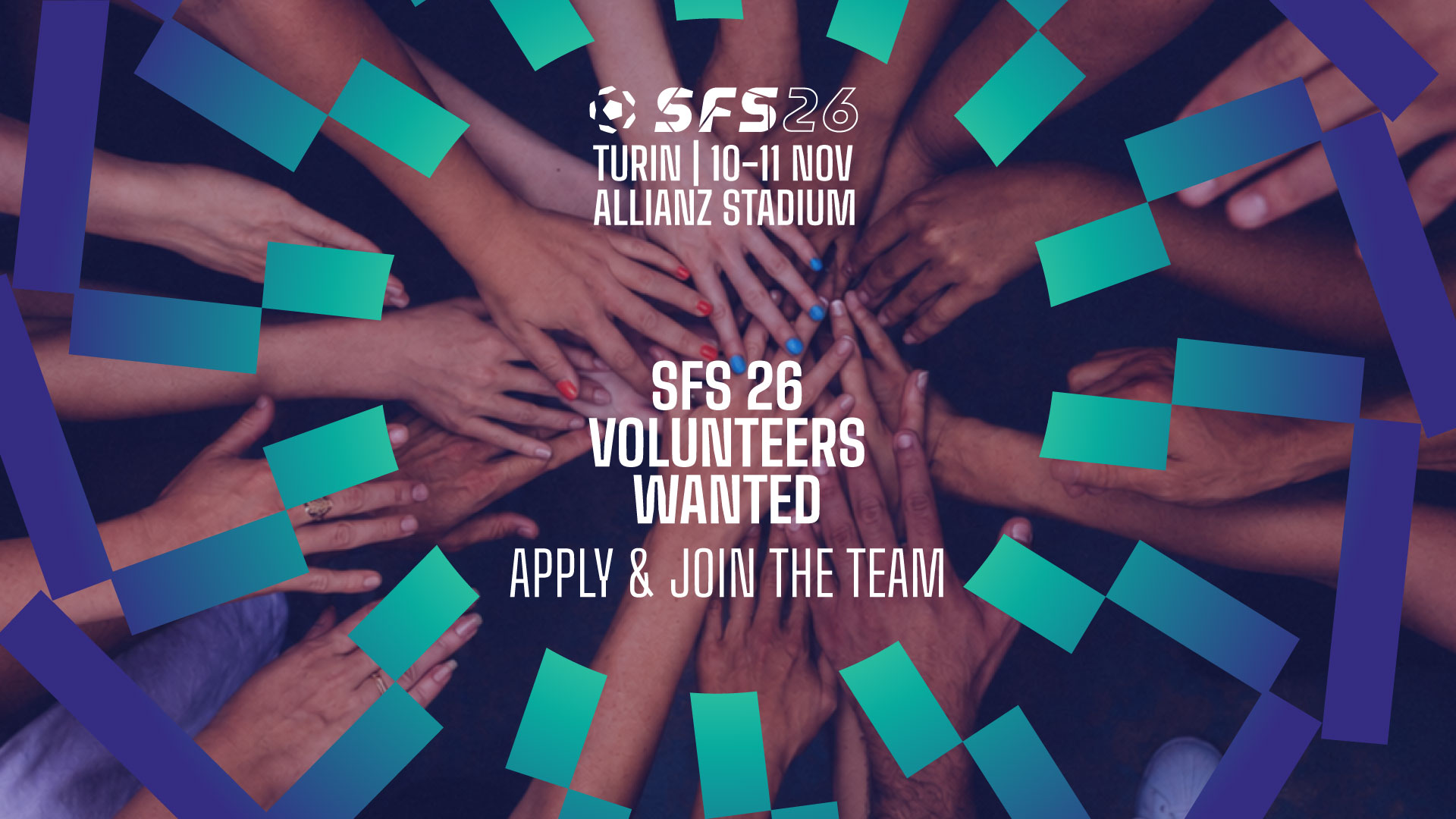
Building on the extraordinary success and high participation of past editions, SFS 26 officially launches its volunteer recruitment campaign The countdown has begun. On November 10 and 11, 2026, the prestigious setting of the Allianz Arena in Turin will host the ninth edition of the Social Football Summit (SFS), the leading international event dedicated to business, sustainability, marketing, and innovation in the football industry. For two days, Turin will become the capital of football business, hosting prestigious clubs, institutions, top managers, and
Sporthype: Neuroscience at the service of mental well-being and performance
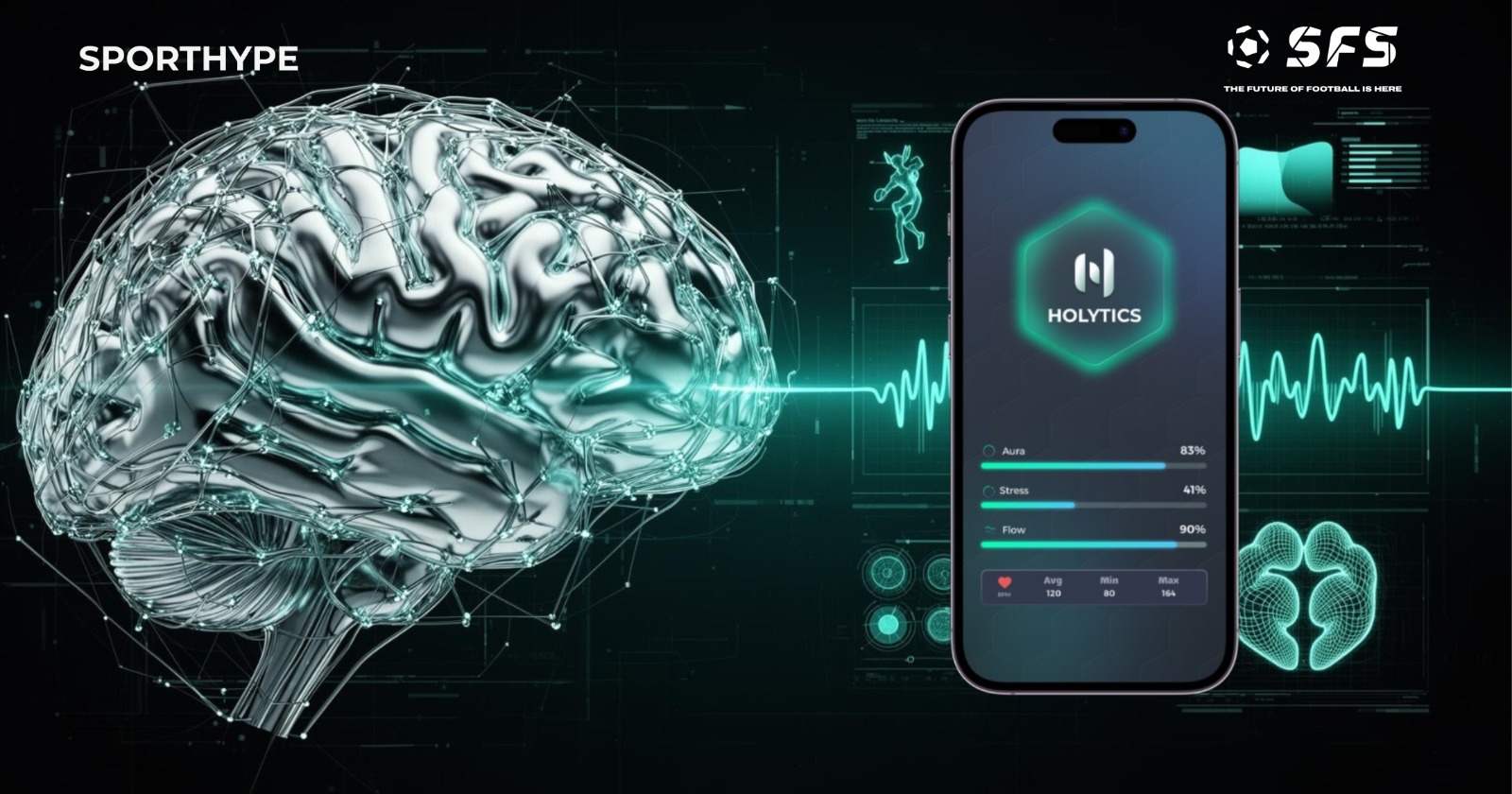
The countdown to the Social Football Summit 2026 has officially begun, and with it, anticipation is building for the SFS ExtraTime startup competition. Before diving into the novelties of the upcoming edition, it is only natural to look back and assess the legacy left by the protagonists of the previous year. While coming from different backgrounds and markets, last year's finalists proved to be united by a very clear common thread: the determination to rewrite the rules of the game