


An analysis of FIFA’s 2026 roadmap: balancing billion-dollar challenges with record-breaking forecasts, and how efficiency is redefining the football industry.
It’s not just about stadium capacity or travel distances: the road to the 2026 World Cup is evolving into a sophisticated budgetary exercise. As North America prepares to host the unprecedented 48-team format, a strategic move has rippled through the sector: FIFA has slashed operating expenses by over $100 million, mandating drastic cost optimization. But what lies behind this decision? Is it a sign of caution or a calculated strategy for efficiency?
Operational efficiency at the heart of Miami
According to recent reports, notably from The Athletic, the decision to reduce spending will directly impact FIFA’s U.S. headquarters in Miami. Various departments have been tasked with identifying structural “efficiencies” to streamline processes and reduce the organization’s economic footprint.
Despite the sheer scale of the event—featuring a record number of matches and transcontinental logistics—the buzzword in Zurich has shifted toward economic sustainability.
The figures: between ambition and pragmatism
Make no mistake: this is not a crisis. It is a surgical maneuver involving staggering figures. FIFA’s 2023-2026 budget targets over $11 billion in revenue, a bet President Infantino is placing on the surge in media rights and the massive commercial appeal of the United States. However, the challenge is clear: operating a machine of this magnitude requires unprecedented financial firepower.
The total budget stands at $3.7 billion, covering national team prize money and complex global broadcast operations. Within this framework, the $1.12 billion allocated purely to the “operating machine” is where Zurich has chosen to intervene. Cutting $100 million today is more than just a saving; it is a statement that even the “giant” of mega-events must evolve toward leaner management.
What changes for the future of the Football Industry?
This move by FIFA sends a powerful message to the entire sporting ecosystem, from elite clubs to smaller federations: revenue growth no longer justifies unchecked spending. This approach marks a fundamental paradigm shift.
- Operational sustainability: If even the World Cup—football’s “goose that lays the golden eggs”—seeks efficiency by reducing internal costs, then process optimization becomes a mandate for every stakeholder.
- Modern governance: This “cut” suggests that the future of football will not rely solely on increasing income, but on the ability to manage complexity through modern technology and organizational models.
In summary, the success of an event will no longer be measured only by billions earned, but by the ability to convert those revenues into real value for the entire movement by minimizing logistical and bureaucratic waste. The 2026 World Cup will not only be the largest in terms of spectacle; it will be the definitive stress test for the new global football business model.

FIFA World Cup 2026: why is Zurich cutting costs despite record revenues?
An analysis of FIFA’s 2026 roadmap: balancing billion-dollar challenges with record-breaking forecasts, and how efficiency is redefining the football industry. It’s not just about stadium capacity or travel distances: the road to the 2026 World Cup is evolving into a sophisticated budgetary exercise. As North America prepares to host the unprecedented 48-team format, a strategic move has rippled through the sector: FIFA has slashed operating expenses by over $100 million, mandating drastic cost optimization. But what lies behind this decision? Is
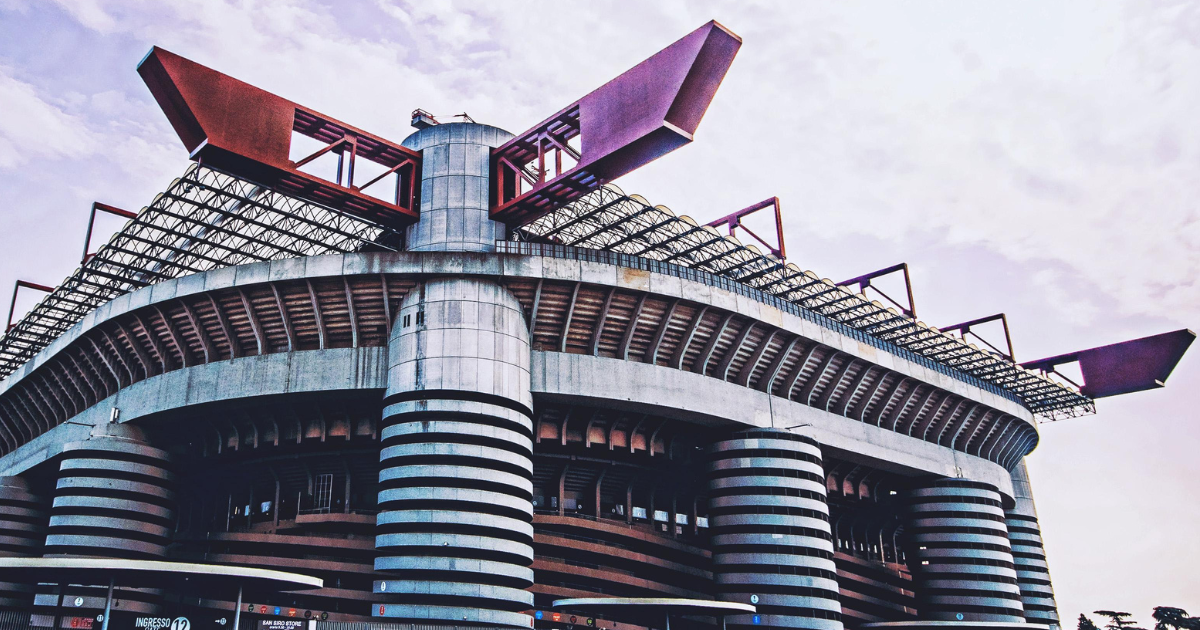
Milan-Inter: invisible excellence and the health management of major events
From clinical management at San Siro to Premier League standards: how health safety and risk management transform the fan experience on the field. The Milan Derby is not just a top challenge or a global media event; it is, for all intents and purposes, a complex ecosystem that must ensure the safety of more than 75,000 people in a tight time frame. Behind the scenes at the "Stairway of Football," an impressive organizational machine is moving, transforming the stadium into a
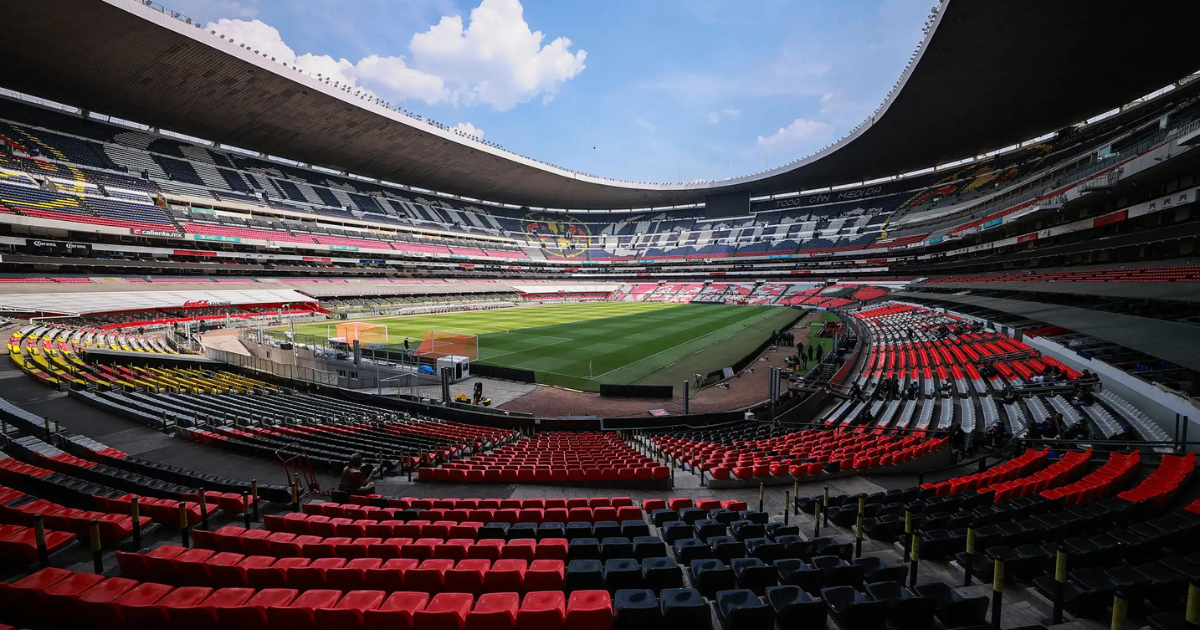
World Cup 2026: welcome to the era of sporting giantism
From 32 to 48 teams: an analysis of the logistical challenges and business opportunities of the tournament set to transform North America into the new epicenter of football. On June 11, 2026, what will take place at the Banorte Stadium in Mexico City, the legendary Azteca, will mark the beginning of a new era in world football. The next FIFA World Cup is no longer just a sporting milestone, but the greatest testing ground ever faced by the football industry. Between unprecedented
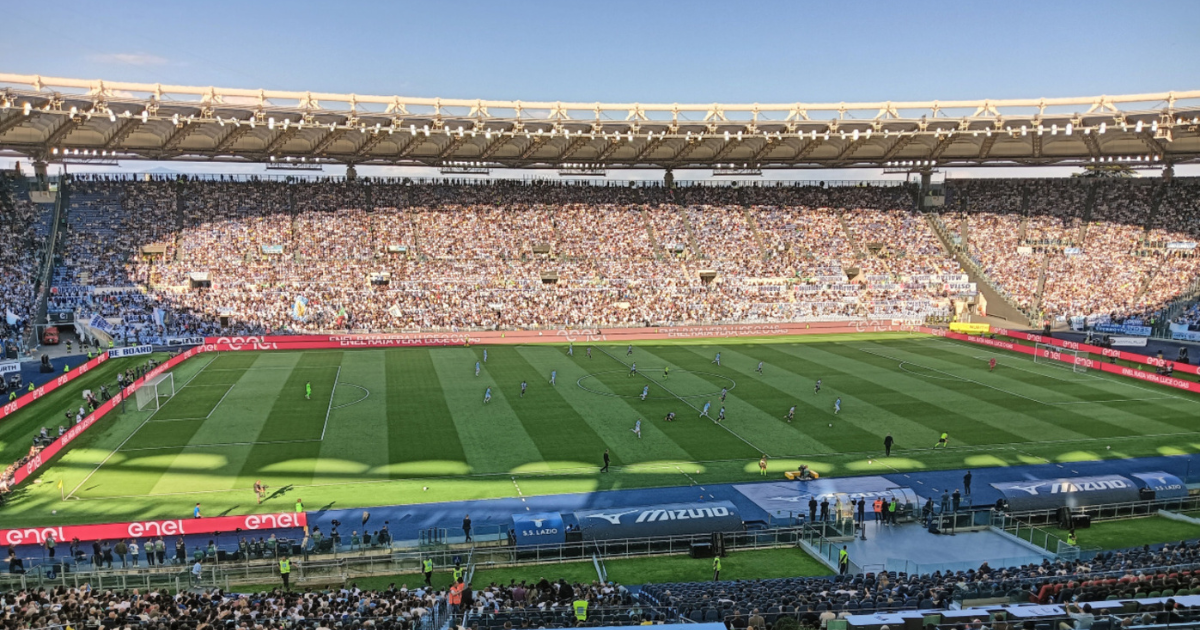
Matchday experience and loyalty: mapping fan attendance in Serie A
A five-year study by SeatPick analyzes stadium occupancy rates: Juventus leads for consistency, while Milan dominates in absolute volume. In the landscape of modern football, the stadium has evolved from a simple match venue into the beating heart of a fan engagement strategy designed to drive long-term loyalty. A recent analysis by SeatPick, based on Transfermarkt data from the last five years (2021-2026), provides a clear picture of "physical loyalty" in Italy, highlighting the clubs most successful in maintaining high stadium

MLS 2026: the year of reckoning between global stars and the World cup shadow
Between the "Messi effect," Martino’s return to Atlanta, and the anticipation for the 2026 World Cup, MLS is kicking off a season that will be decisive for the future of soccer in the US Major League Soccer has reopened its doors, and there is a palpable sense that this is no ordinary season. With the 2026 World Cup on the horizon—hosted across the USA, Canada, and Mexico—the American league finds itself in the eye of a storm of investment, star power,

The Economics of Attention: Why digital hype is the new currency of Football
Vinicius Jr. leads digital hype with +1.5M fans per month, challenging CR7's $275M In the elite soccer of the 2025/2026 season, the referee's final whistle is but the beginning of a second game, perhaps more complex and certainly more profitable than the one played on the green turf. For those involved in innovation and the sports industry, we are facing an unprecedented metamorphosis: the value of a footballer today is no longer a simple sum of goals and assists, but a
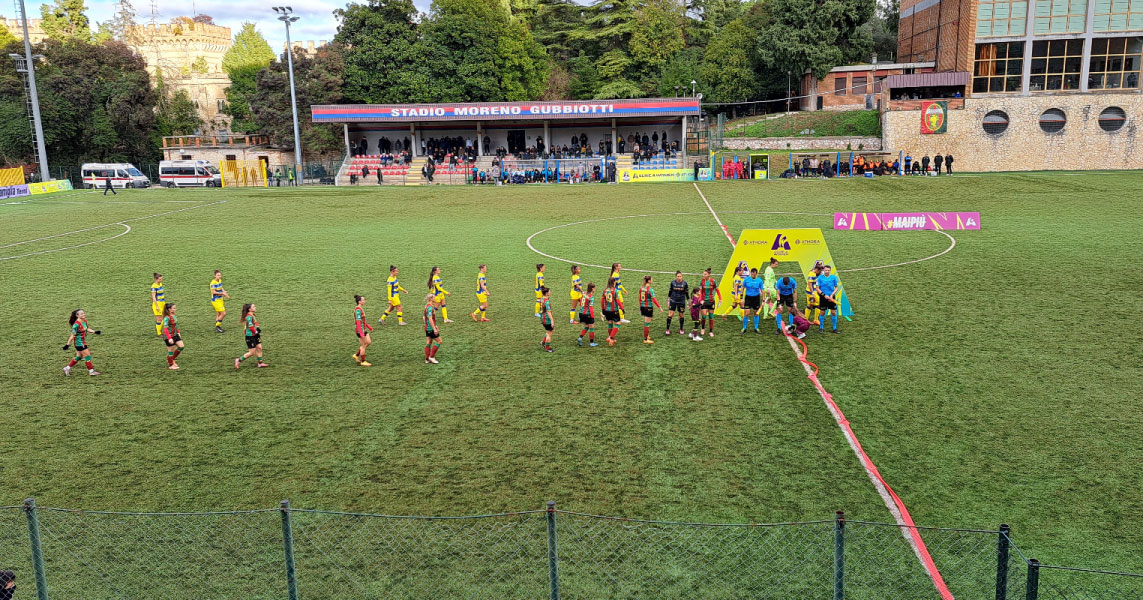
The Other Side of Growth: The Security Emergency and Abuse in Women’s Football
While women’s football is experiencing unprecedented commercial growth and popularity, a dark side is emerging that threatens its founding values: the rise of stalking, misogyny, and online abuse is forcing clubs and players into a necessary—but painful—lockdown. Women’s football has always made accessibility its trademark, a distinguishing feature compared to men’s football, often perceived as distant and heavily guarded. However, this “closeness model” is now faltering under the weight of overexposure that is becoming dangerous for players’ safety. According to an investigation

“Numeri in Palla”, by Jacopo Carmassi: The Revenue Championship
English version prepared by editorial team Data and reflections on football club revenues and potential strategies to reduce imbalances Today I want to talk to you about standings. Not the one based on points earned on the pitch, but the one based on football club revenues. The concept that "the richest teams win" (or at least, those among the richest) finds numerous confirmations in reality, both in Italy and abroad. The mirror concept—that "the less wealthy teams lose"—is equally valid. There are,
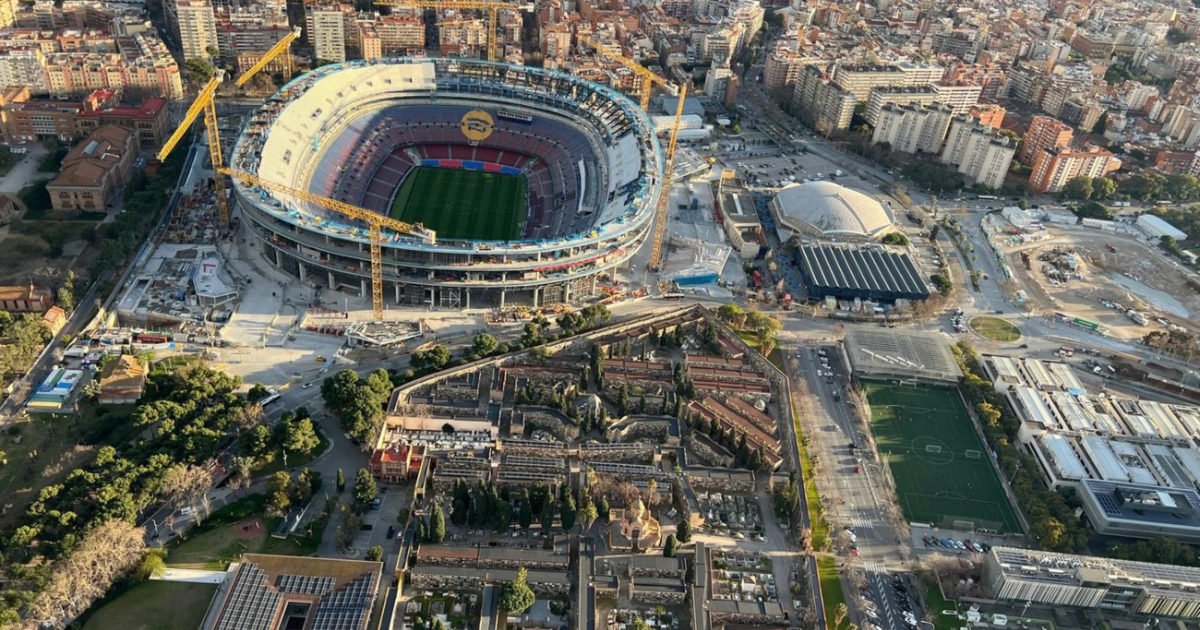
Spotify Camp Nou: Barcelona Shields the Core of its Business with 14,000 New Seats for Members
More than just bricks and mortar: the return to the new Camp Nou transforms club members into a true competitive asset, blending Revenue Management with brand loyalty. As redevelopment work at the Spotify Camp Nou continues at full speed, FC Barcelona is sending a clear message to the club’s beating heart: its members (socios). In a recent official statement, the management confirmed that once municipal approval is secured for "Phase 1C" (concerning the Gol Nord section), the entire capacity increase will
ESTA under the microscope: what’s changing for football travel to the U.S. — and why it matters
Article written by Giulia Pezzano, Senior Immigration Analyst, Arce Immigration Law (Miami) With the 2026 FIFA World Cup approaching and the co-host United States preparing for a surge of fans, media, and football professionals, entry rules are becoming part of the football conversation. Football travel is now routine: preseason tours, international friendlies, fan trips, and a growing wave of creators and media moving with the game. In Washington, that reality intersects with a concrete policy proposal: U.S. Customs and Border Protection (CBP)