


How can professional football and ESG sustainability principles be reconciled? Above all, how can the industry prove that environmental, social, and governance commitments are not added costs or synonyms for austerity, but extraordinary opportunities to generate new commercial value?
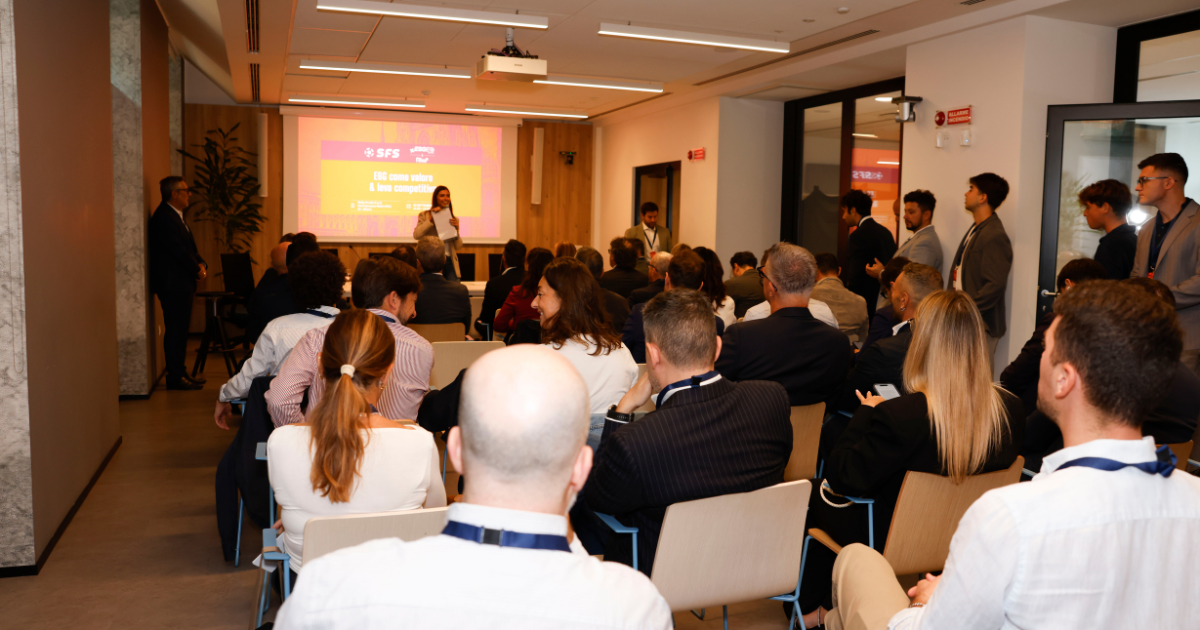
These key questions were addressed at the latest SFS Snack Milano event, organized by the Social Football Summit in collaboration with ESGeo | RISE and hosted at the headquarters of Gruppo Avvale. This high-profile gathering brought together leagues, clubs, international brands, and sports industry professionals to define a roadmap toward a responsible and highly competitive business model.
At the heart of the discussion was the need for the entire sports sector to move beyond basic regulatory compliance. Instead, the focus must shift to turning transparency and governance into key differentiators capable of strengthening stakeholder trust and maximizing return on investment through ethical and measurable management practices.
Brand, Sustainability, and Sponsorship: Generating Real Value
The first thematic session clearly demonstrated how aligning ESG principles with brand identity and commercial strategy not only enhances an organization’s reputation, but also opens doors to high-performing partnerships. When natively embedded into corporate strategy, sustainability becomes a tangible asset that attracts global sponsors and investors.
Practical examples highlighted during the event confirmed the strength of this approach. AC Milan’s Sunday Stadium Crew collection illustrated how developing an apparel line through a fully certified and traceable supply chain—communicated directly to fans via on-garment QR codes—can transform environmental responsibility into a highly successful lifestyle product.
For organizations such as Napoli Women, an independent entity from the men’s club, social commitment and sustainability serve as primary market differentiators, enabling them to secure long-term commercial partnerships with global brands like Swedish sportswear company Craft. On the technological efficiency front, the role of innovation was emphasized through AWS (Amazon Web Services), whose cloud-based media solutions helped the Bundesliga reduce the carbon footprint of its video production by over 100 tons of CO2. Insights shared alongside Lega Serie A reinforced that high ESG standards have now become an essential prerequisite for securing top-tier commercial agreements.

The EmpCo Directive Masterclass: From Transparency to Reputational Protection
The second part of the event featured a technical masterclass on the EU’s new EmpCo Directive (Empowering Consumers for the Green Transition), focusing on the proper management and verification of environmental and social claims.
The discussion stressed that moving toward genuine sustainability is rapidly becoming mandatory across the entire sports landscape. The European Union is cracking down on greenwashing, introducing severe financial and regulatory penalties for organizations that use vague, misleading, or unverified environmental messaging. Communicating sustainability with scientific rigor and full traceability is no longer just a marketing strategy, but an essential governance requirement to safeguard a club’s brand reputation and financial stability.
Toward a Responsible and Profitable Sports Ecosystem
The overarching takeaway from the event was unmistakable: integrating ESG criteria into football does not restrict business growth—it accelerates it. Evolving club governance and operations is now the most effective way to unlock new revenue streams, attract transparent investment, and build lasting relationships with the next generation of fans.
Football and ESG: Sustainability as the New Strategic and Economic Lever for the Sports Business
How can professional football and ESG sustainability principles be reconciled? Above all, how can the industry prove that environmental, social, and governance commitments are not added costs or synonyms for austerity, but extraordinary opportunities to generate new commercial value? These key questions were addressed at the latest SFS Snack Milano event, organized by the Social Football Summit in collaboration with ESGeo | RISE and hosted at the headquarters of Gruppo Avvale. This high-profile gathering brought together leagues, clubs, international brands, and
SFS Snack arrives in Milan: ESG, brand value, and new competitive strategies for sports
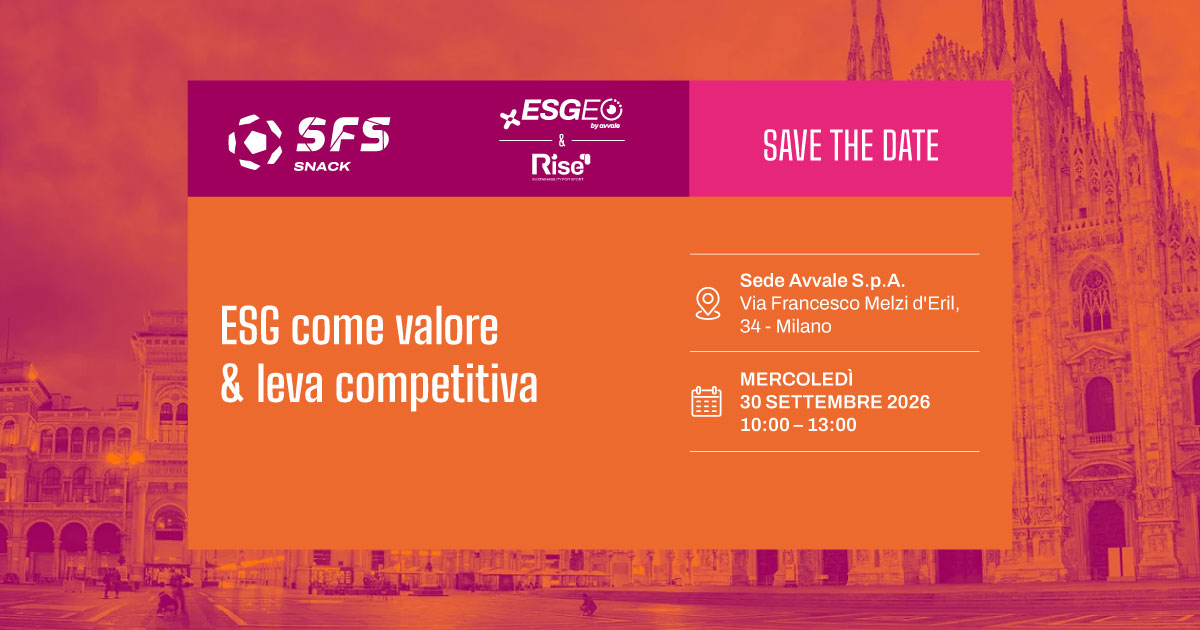
SFS Snack arrives in Milan with a new and exclusive event dedicated to the strategic role of ESG criteria in the football and sports industry. Created in collaboration with ESGeo and RISE, the event will mark the first of three touchpoints for the new season, officially kicking off the Road to SFS26. The Snack will take place on September 30, 2026, from 10:00 AM to 1:00 PM, at the Avvale Group headquarters in Milan. Through two thematic sessions, interactive discussions,

INSIDE SUSTAINABLE LEAGUES
“Inside Sustainable Leagues” is an editorial series exploring how some of the world’s leading football leagues are structuring sustainability through different models, initiatives and tools. This second chapter focuses on foundations After looking at how leagues are embedding sustainability at governance level, this second article focuses on the operational structures through which these themes are activated, coordinated and developed over time. Alongside the creation of strategies and shared frameworks, many leagues have chosen to structure their social commitment through dedicated foundations. With

Football and ESG: how clubs can measure and communicate their impact
There’s a question that is being heard more and more often in executive rooms across the sports world: how do you measure the sustainability of a football club? The answer isn’t simple—but it does exist. And the clubs that have found it first are already reaping the benefits. Measuring ESG impact doesn’t mean filling out a questionnaire once a year. It means building a data collection system that works continuously, covers very different areas, and produces numbers that can be compared
Why sustainability is becoming a competitive advantage for football clubs
When ESG is mentioned in football, the first reaction is often the same: it’s a topic for large multinationals, not for sports clubs. Or: it’s a matter of image, not business. Both positions are understandable, especially for those who haven’t yet had the chance to engage concretely with what is happening in the market. But the facts tell a different story—and it’s worth understanding it. ESG stands for Environmental, Social, Governance. These are three dimensions that measure how sustainable an organization