


You do not necessarily have to play in Serie A or have won a World Cup to demonstrate your talent in the United States. Today, a street footballer with millions of followers may have a profile just as compelling, from a U.S. immigration perspective, as that of a professional soccer player.
By Giorgio Polacco – Immigration Attorney, Arce Immigration Law
When we think about soccer and professional opportunities in the United States, we almost always picture star players, international transfers, and champions who choose Major League Soccer to continue their careers. Lionel Messi is probably the clearest example of how one individual can transform the visibility and commercial value of soccer in the United States.
But today, another group of figures in the world of soccer deserves attention: football content creators, freestylers, and street footballers, professionals who may never have played in the Champions League but reach millions of people every day through social media. And this new reality is opening up intriguing possibilities in U.S. immigration law as well.
The Case of a Street Footballer: When Talent Goes Digital
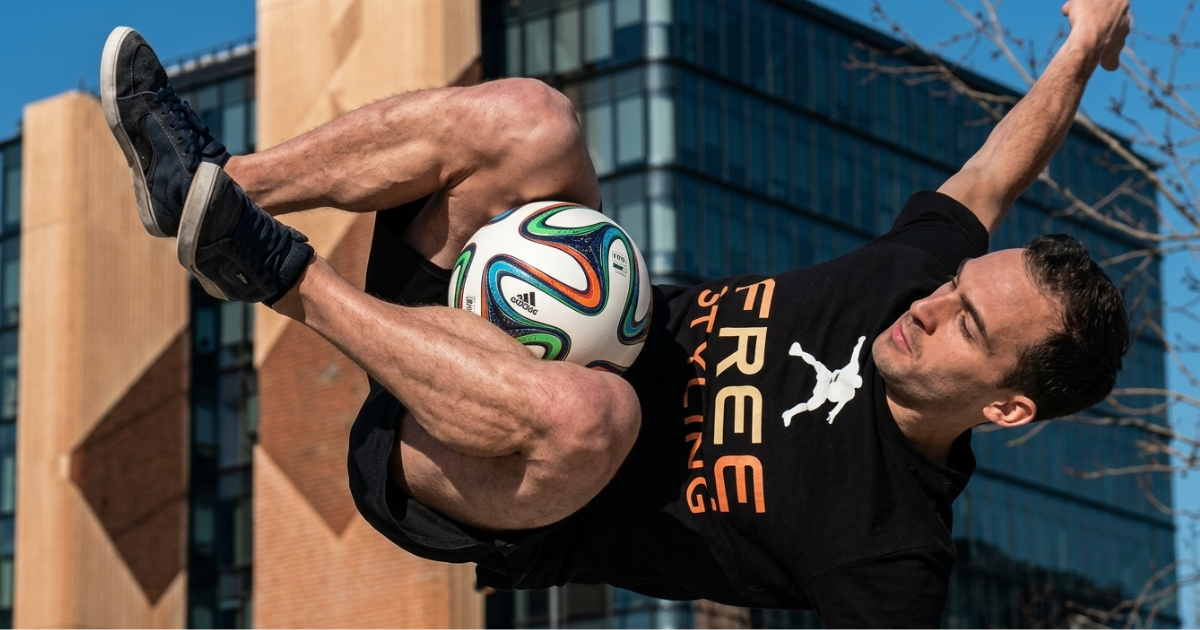
Recently, at our U.S. immigration law firm, we handled the case of an internationally renowned street footballer with millions of social media followers. This was a very different profile from those we typically encounter in sports immigration cases.
No transfers between professional clubs. No multimillion-dollar contract with a Serie A team. No World Cup trophy on the shelf. Yet here was a professional capable of reaching an enormous international audience, generating commercial interest, and building a personal reputation through his soccer skills.
The question we asked ourselves was simple: why should a soccer player be able to demonstrate international success through trophies, while a street footballer should not be able to demonstrate it through millions of followers and worldwide recognition? The answer is more interesting than you might imagine.
The O-1 Visa: Talent Is Not Measured by Trophies Alone
The United States has a special visa category known as the O-1, intended for individuals who have demonstrated extraordinary ability in their field. In sports, the O-1A visa allows an athlete to establish national or international recognition through various forms of evidence, including awards, professional achievements, press coverage, significant roles, and other documented forms of recognition.
But the essential point is that there is no rule requiring someone to have won a championship or played for a professional team to qualify for an O-1 visa. The law requires applicants to demonstrate an exceptionally high level of achievement in their field, not necessarily to have followed a traditional athletic career path.
That is where social media become particularly relevant. An athlete with millions of followers, partnerships with international brands, appearances at major events, and substantial media exposure may have valuable evidence to support their professional reputation.
Of course, having millions of followers does not automatically guarantee a visa. It is necessary to show that those numbers reflect genuine professional recognition and that the applicant meets the requirements of the relevant immigration category.
Moreover, for hybrid professionals such as street footballers and content creators, correctly identifying their field of endeavor is essential. Depending on the nature of their careers and their plans in the United States, it may be necessary to consider visa categories beyond those specifically intended for athletes.
But Can Millions of Followers Be Worth as Much as a Trophy?
From a strictly legal standpoint, there is no automatic equivalence between a sports trophy and a follower count. But when it comes to international reputation, the question is entirely reasonable. Consider two profiles.
The first is a professional soccer player who has competed in major international tournaments, earning recognition and achieving notable results. The second is a street footballer who has used his skills with a soccer ball to build a community of millions, works with major sports brands, and is invited to events in different countries.
These are two entirely different career paths, yet both can represent forms of international success and recognition.
The difference is that the first built his reputation inside a stadium, while the second built his on screens viewed by millions.
Our job as immigration attorneys is precisely to understand how to document these emerging forms of excellence using the legal tools available under U.S. law. An Instagram page with impressive numbers is not enough. We must examine the quality of the audience, independent media coverage, the value of commercial partnerships, professional accomplishments, and the actual recognition achieved within the field.
Soccer Is Changing. Immigration Law Must Respond to This Transformation, Too.
In recent years, the world of soccer has increasingly expanded beyond the ninety minutes of a match. Today, a football content creator may have a larger audience than many professional soccer players. They can work directly with international sponsors, participate in global advertising campaigns, and become a role model for millions of young fans.
The economic and media value of a figure in the soccer world no longer depends exclusively on performance on the field. This shift is especially relevant in the United States, where sports, entertainment, marketing, and content creation are increasingly interconnected.
Yet many people still believe that pursuing a professional career in the United States through sports requires prior experience on a professional team. That is not necessarily the case.
Existing visa categories may also offer opportunities to professionals who have built careers through unconventional paths, provided they can establish the required qualifications and have a coherent professional plan in the United States.
The Future of Football Is Not Confined to Stadiums
The case we recently handled reinforced something we have come to believe: the meaning of success in the soccer world is evolving much faster than we might imagine. In the past, an athlete’s international recognition was measured primarily by appearances, titles, and competitions.
Today, we must also consider media impact, cultural influence, and the ability to build a global audience. This does not mean that one million followers automatically carry the same weight as a world title in the eyes of U.S. immigration authorities.
It does mean, however, that someone whose talent captivates millions of people through a smartphone may have professional opportunities in the United States that, until just a few years ago, seemed reserved for soccer’s biggest stars.
To me, this is one of the most fascinating transformations in the relationship between sports, the digital economy, and international mobility.
Because in modern soccer, becoming a global star sometimes no longer requires a stadium. All it takes is a ball, a camera, and extraordinary talent.
Giorgio Polacco is a Florida-licensed attorney and Partner at Arce Immigration Law, based in Miami. He practices U.S. immigration law, assisting athletes, professionals, entrepreneurs, and individuals in the sports and entertainment industries with their professional plans in the United States.
From Street Football to the United States: How Social Media Are Changing the Rules for Securing a U.S. Sports Visa
You do not necessarily have to play in Serie A or have won a World Cup to demonstrate your talent in the United States. Today, a street footballer with millions of followers may have a profile just as compelling, from a U.S. immigration perspective, as that of a professional soccer player. By Giorgio Polacco – Immigration Attorney, Arce Immigration Law When we think about soccer and professional opportunities in the United States, we almost always picture star players, international transfers, and champions
A Visa does not guarantee an entry to the United States: what the somali referee case teaches about U.S. immigration
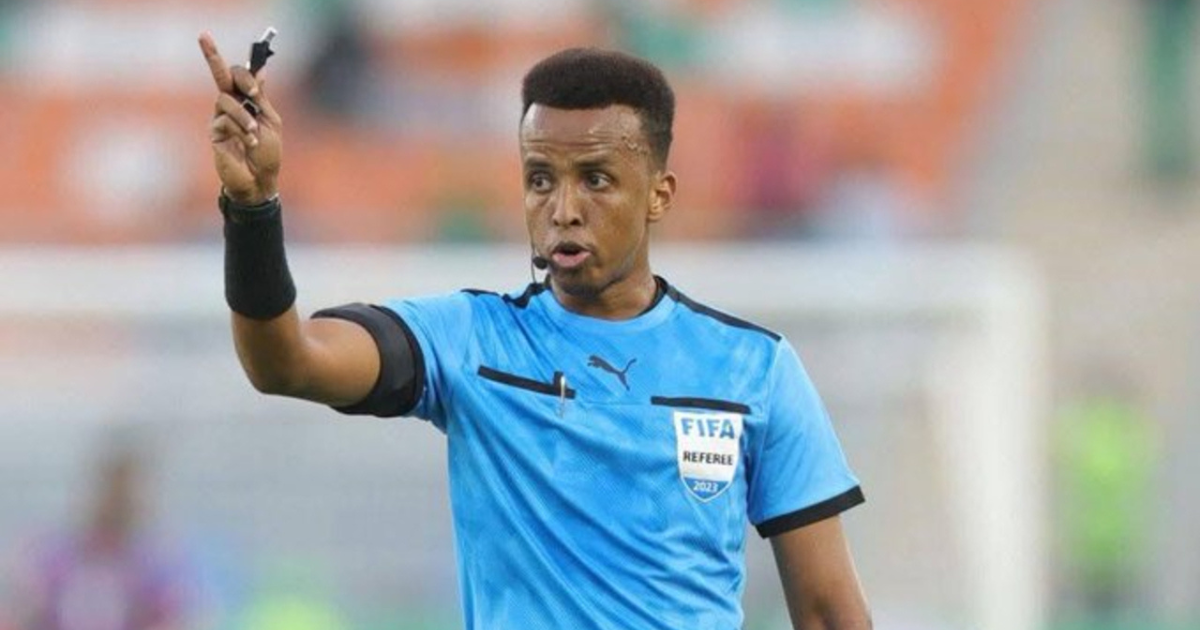
By Giulia Pezzano, Senior Immigration Analyst, Arce Immigration Law (Miami) The 2026 FIFA World Cup has already delivered an important immigration lesson before many fans have even packed their bags: a U.S. visa does not guarantee entry into the United States. Somali referee Omar Abdulkadir Artan, selected to serve as a match official at the tournament, was reportedly denied entry at Miami International Airport despite holding a valid U.S. visa. According to public reporting, U.S. Customs and Border Protection (CBP) found him

The O-1/O-2 Visa Strategy: How Player Transfers and Essential Support Staff Can Move Faster and Cost Less
By Giulia Pezzano, Senior Immigration Analyst, Arce Immigration Law (Miami) A player transfer rarely involves just one person. When time is short and performance depends on trusted support staff, the little-known O-1/O-2 visa strategy can help move both the athlete and the essential team around the athlete faster, more smoothly, and often at a lower overall cost. In the football market, time is money. Clubs have narrow transfer windows, and coaches often want the athlete in camp immediately. A commercial team is
MLS 2026: the year of reckoning between global stars and the World cup shadow
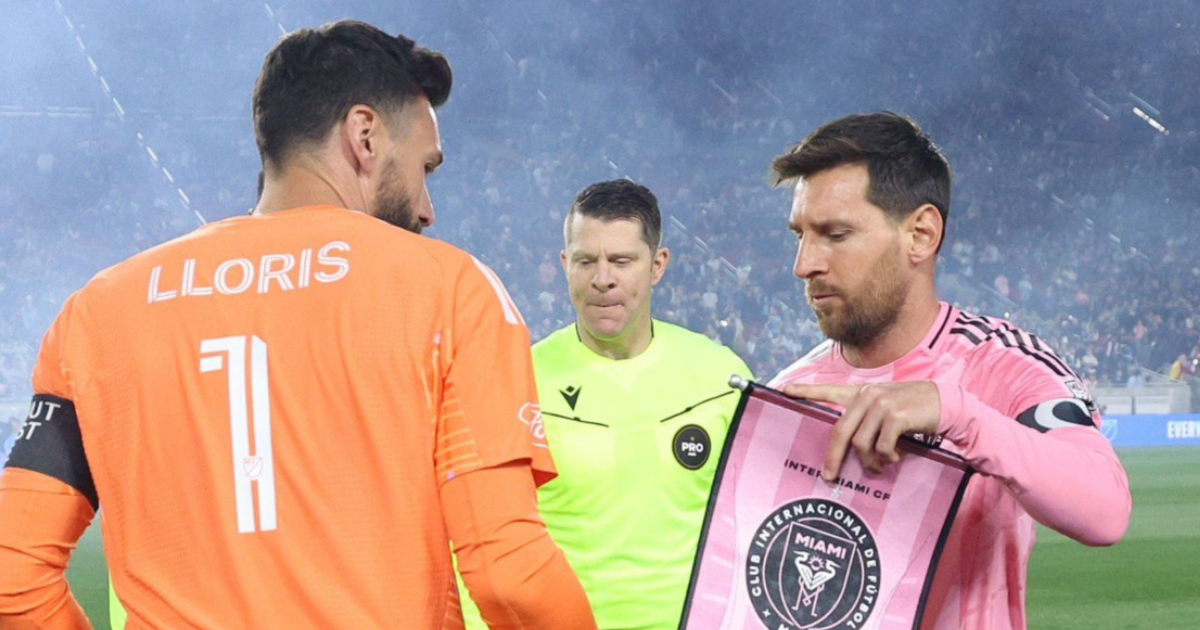
Between the "Messi effect," Martino’s return to Atlanta, and the anticipation for the 2026 World Cup, MLS is kicking off a season that will be decisive for the future of soccer in the US Major League Soccer has reopened its doors, and there is a palpable sense that this is no ordinary season. With the 2026 World Cup on the horizon—hosted across the USA, Canada, and Mexico—the American league finds itself in the eye of a storm of investment, star power,
ESTA under the microscope: what’s changing for football travel to the U.S. — and why it matters
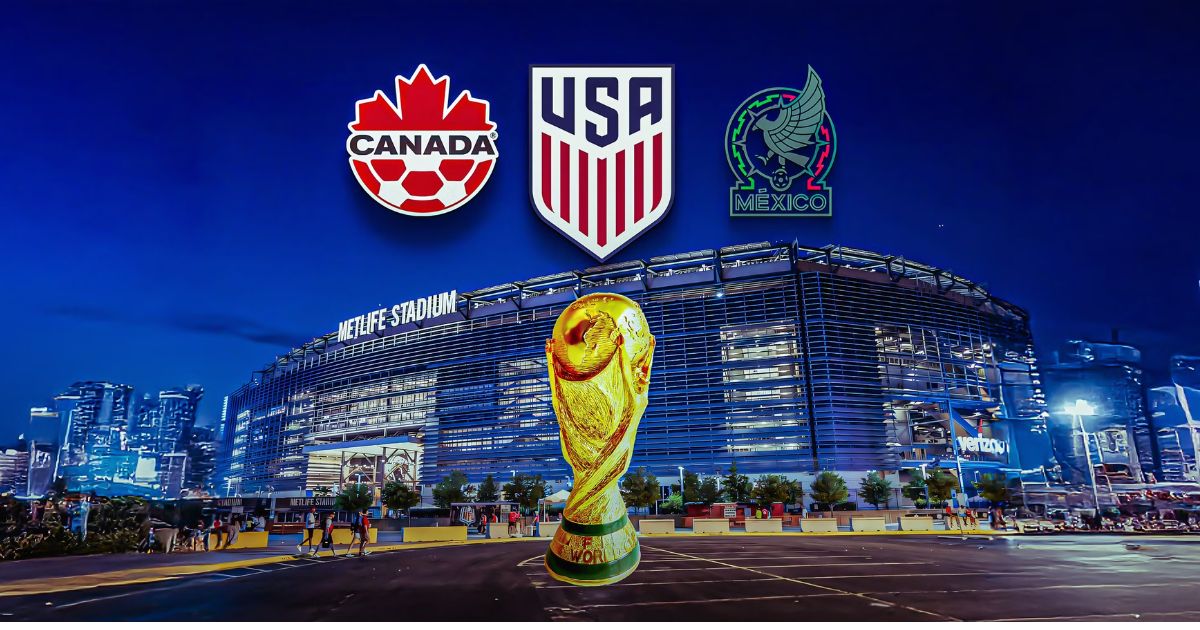
Article written by Giulia Pezzano, Senior Immigration Analyst, Arce Immigration Law (Miami) With the 2026 FIFA World Cup approaching and the co-host United States preparing for a surge of fans, media, and football professionals, entry rules are becoming part of the football conversation. Football travel is now routine: preseason tours, international friendlies, fan trips, and a growing wave of creators and media moving with the game. In Washington, that reality intersects with a concrete policy proposal: U.S. Customs and Border Protection (CBP)
Mondial 2026, Trump and FIFA launch the fast track for ticket-holding fans
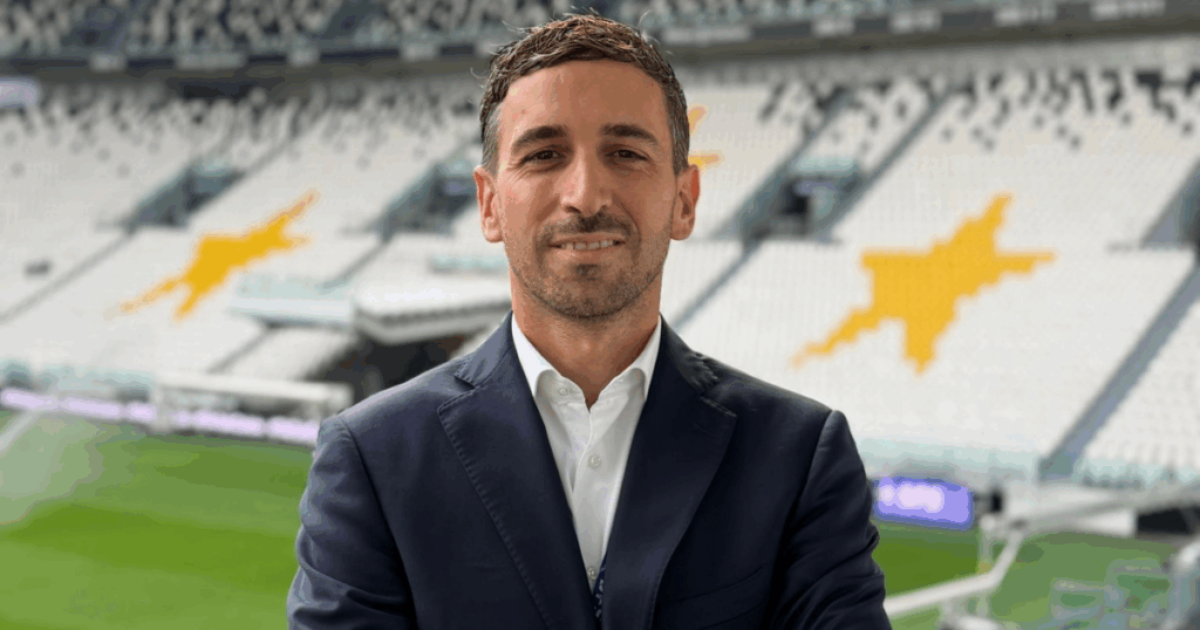
The American attorney Giorgio Polacco (Arce Immigration Law): “Faster appointments for the visa, but no automatic pass-through.” With the launch of the FIFA PASS, the new priority appointment booking system for visas ahead of the 2026 World Cup, the White House and FIFA promise shorter lines at consulates for ticket-holding fans. But what really changes for those who want to go to the United States to watch the matches? We discuss it with Giorgio Polacco, an American attorney at Arce Immigration
Global talent and innovation: Arce Immigration Law’s migration strategy for US sports
In anticipation of their participation in SFS 25, we interviewed Giorgio Polacco, partner and representative of Arce Immigration Law, a firm specializing in immigration assistance for professionals, athletes, and technical staff looking to work in the US market. In this conversation, Polacco illustrates the crucial role of "Global Talent Mobility" and how strategic immigration consulting—focused particularly on Extraordinary Ability visas (O-1/EB-1)—is not just a legal necessity, but a true driver of growth, innovation, and stability for clubs and leagues. This